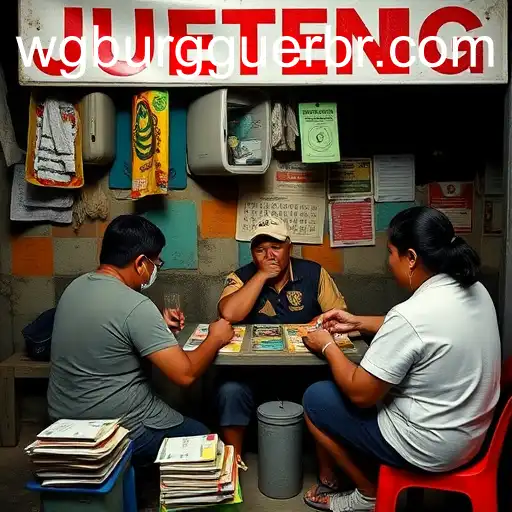
Understanding Jueteng: A Deep Dive into the Underground Lottery
Jueteng, an informal numbers game entrenched in Filipino culture, has persevered through decades. Despite government crackdowns, it remains popular, particularly in the provinces. Its draw can be attributed to minimal entry costs and the allure of substantial winnings. However, its illegal status implicates a complex network of corruption and influence.
The Mechanics of Jueteng
Jueteng operates similarly to a lottery. Players select a combination of numbers, typically from 1 to 37, with bets ranging from a few pesos to substantial amounts. The simplicity of entry makes it accessible, encouraging a broad spectrum of participants. Every draw—conducted twice daily—presents an opportunity for financial upliftment, which is particularly appealing to those in less economically prosperous areas.
Historical Roots and Cultural Significance
The origins of Jueteng trace back centuries, deeply embedded within Filipino societal fabric. Historically, it provided entertainment and was often associated with festivities and social gatherings. Over time, Jueteng became synonymous with hope, especially among lower-income groups seeking reprieve from financial strain.
The Socioeconomic Impact
In regions where economic opportunities are limited, Jueteng is more than a game; it has become a supplementary income source for many families. Despite its illegal status, it circulates considerable funds within communities, blurring lines between legality and necessity.
WG-Burguer: A Modern Connection
WG-Burguer, an unexpected yet intriguing term related to Jueteng, illustrates the game's pervasive influence. This phrase signifies the intertwined nature of modern business and traditional betting systems, capturing the imagination of a society where the pursuit of luck intersects with contemporary branding.
The Role of Authorities and Corruption
Despite efforts to eradicate Jueteng, enforcement remains a challenge. Allegedly, officials at various governmental levels have been known to receive payoffs to ignore Jueteng operations, indicating deeply rooted corruption. The duality of public disapproval and private participation reflects the complexities in addressing its existence.
Efforts for Legalization and Regulation
Conversations about legalizing Jueteng surface periodically, driven by its potential as a tax revenue source. Advocates propose that regulation could curtail corruption, provide employment, and safeguard patrons. Nonetheless, opponents fear encouraging gambling addiction and societal decay.
International Comparisons
Internationally, parallels to Jueteng include various informal betting systems across Asia and Latin America. In examining these systems, comparisons emerge with legal systems like lotteries, emphasizing the societal balancing act of regulation and cultural practice.
Jueteng's Future
The future of Jueteng lies in the hands of policymakers and the Filipino populace. Whether through continued suppression, strategic legalization, or inevitable evolution, Jueteng represents a persistent challenge. In navigating its course, stakeholders must weigh its cultural foundation against socio-economic impacts.
The discourse surrounding Jueteng, enriched by terms like WG-Burguer and national attitudes, offers a lens into the complexities of legal and informal economies. It encapsulates a narrative larger than numbers—a story woven into the identity of a nation grappling with its past, present, and future.